


The Ultimate Guide to the Tuning Body Kit Sector in 2025

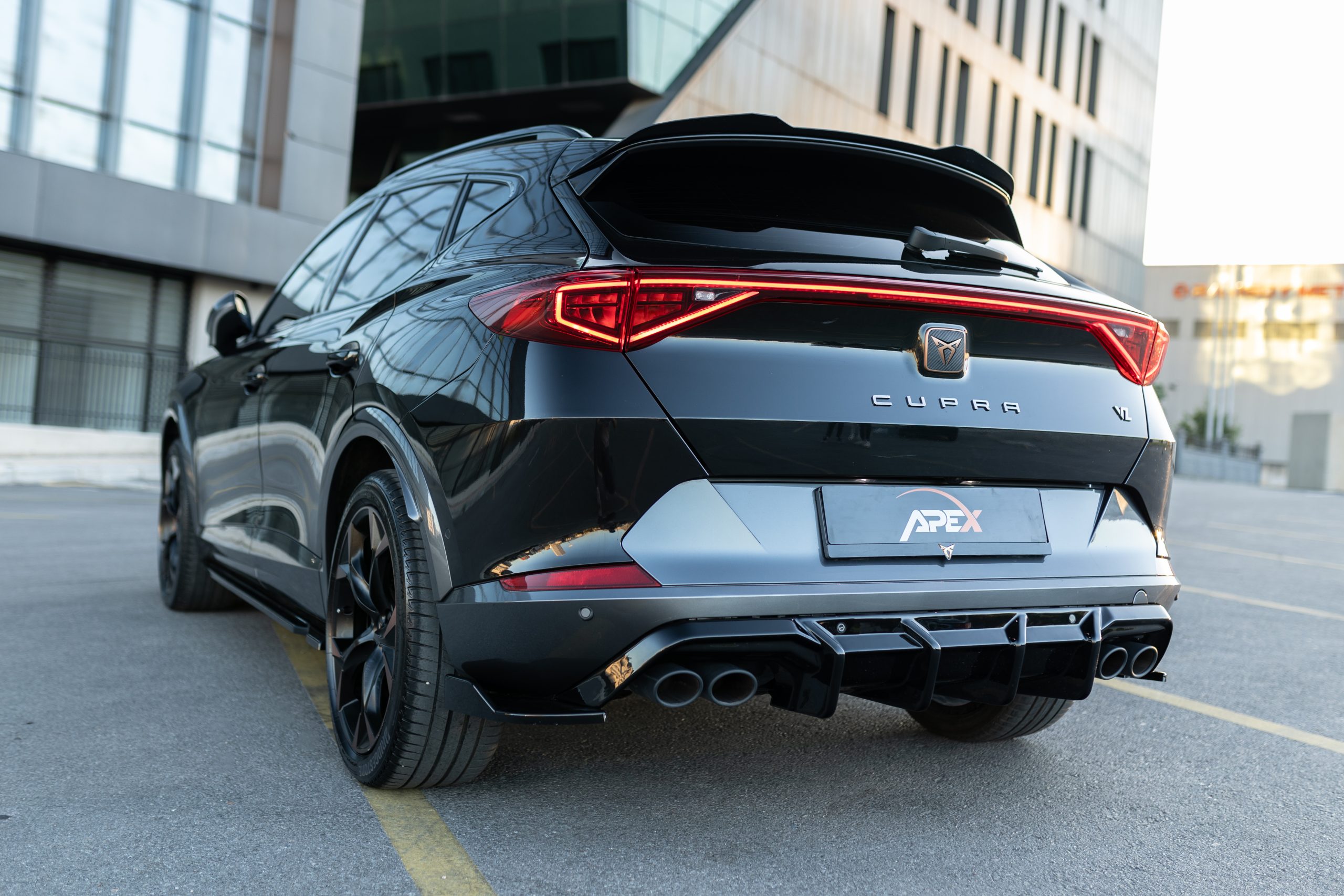
The tuning body kit sector has entered a new golden era. With global innovation accelerating and automotive personalization becoming a cultural norm, enthusiast communities, design studios, and engineering brands are shaping the future of aftermarket aerodynamics. This article explores how the industry has transformed and how high-performance companies like Apex Aero Design are redefining what’s possible.
Understanding the Tuning Body Kit Sector
The tuning body kit sector represents a worldwide ecosystem of designers, engineers, manufacturers, and enthusiasts focused on modifying and enhancing vehicles. Unlike the early 2000s—when visual styling was the primary goal—today’s sector blends form and function, merging performance data with aggressive aesthetics.
The Evolution of Aftermarket Aerodynamics
Automotive tuning once revolved around visual modifications with little engineering depth. But advancements in scanning, CAD modeling, wind simulation, and composites have transformed the market into a tech-driven engineering industry.
Where fiberglass once dominated, high-precision ABS, polyurethane, and carbon fiber have become industry standards. Now, body kits deliver not just looks, but measurable aerodynamic advantages.
Why Aerodynamic Styling Matters More Than Ever
Modern drivers want identity as much as performance. Companies that blend engineering with expressive design dominate the tuning body kit sector—providing components that reshape airflow, reduce lift, enhance stability, and give each vehicle a sharper personality.
Engineering Innovation in the Tuning Body Kit Sector
True aftermarket excellence begins long before a part reaches production. This phase is where leaders like Apex Aero Design separate themselves by investing heavily in end-to-end engineering workflows.
Digital Scanning and 3D Modeling Advancements
High-fidelity scanning ensures every millimeter is captured with precision. CAD modeling transforms that scan into a functional component—tested virtually for:
-
Airflow efficiency
-
Downforce balance
-
Cooling optimization
-
Fitment and structural integrity
These digital tools eliminate guesswork and raise industry expectations.
Material Innovations: ABS, Carbon Fiber, CFRP
Different goals require different materials:
| Material | Ideal Use | Benefits |
|---|---|---|
| ABS Plastic | Daily drivers | Durable, flexible, affordable |
| Polyurethane | Harsh climates | Impact-resistant, long-lasting |
| Carbon Fiber | Performance builds | Light, rigid, visually premium |
| CFRP | Track applications | Extreme strength-to-weight ratio |
Apex Aero Design uses these materials strategically based on the intention of each component.
In-House Engineering vs Outsourcing
Outsourcing often leads to:
-
Poor fitment
-
Weak alignment
-
Thin materials
-
Shortened product lifespan
In contrast, in-house engineering ensures identity, accuracy, and long-term durability, qualities that have become trademarks of top-tier brands.
Performance Styling & Automotive Identity
More drivers want a car that reflects who they are. The tuning body kit sector thrives because it connects personal expression with technical performance.
Aggressive Aesthetics vs Functional Performance
A great body kit isn’t just beautiful—it’s purposeful.
The best designs merge:
-
Sharp, modern aesthetic lines
-
Adequate airflow control
-
Stability improvement
-
Practical installation and fitment
Aerodynamic Functionality: Downforce, Cooling, Drag
A well-engineered component can:
-
Increase downforce at speed
-
Improve cornering stability
-
Enhance brake cooling
-
Reduce front-end lift
This is where engineering-based brands outperform mass-production replicas.
Apex Aero Design: Engineered for Identity. Built for Performance.
At the forefront of innovation stands Apex Aero Design, a U.S.-based performance styling brand with a far-reaching global engineering presence.
A Global Engineering Ecosystem
With operational teams across:
-
United States
-
Germany
-
Türkiye
-
United Kingdom
…Apex leverages diverse automotive cultures and engineering expertise to create truly original designs.
From Concept to Component: The Apex Workflow
Every part begins as a pure idea and moves through:
-
Scanning – capturing exact vehicle geometry
-
Modeling – designing the aerodynamic form
-
Engineering – structural, airflow, and performance testing
-
Prototyping – evaluating fitment precision
-
Production – crafting high-quality components
This vertical integration ensures performance styling with perfect alignment and aggressive identity.
Setting New Standards Instead of Following Trends
Many companies recycle generic forms. Apex’s philosophy is the opposite:
Don’t follow trends—set them.
Their work merges futuristic design language with engineering discipline, reshaping expectations of modern aero design.
Market Insights for the Tuning Body Kit Sector
The global tuning body kit sector has expanded dramatically.
The Rise of Customization Culture
Social media platforms like Instagram, TikTok, and YouTube have created a culture where personalization is celebrated. Vehicle builds now trend globally, pushing demand for unique, high-quality kits.
EV & Hybrid Body Kits: A New Frontier
Electric vehicles require new aerodynamic thinking. Lightweight, airflow-efficient kits help:
-
Extend range
-
Improve battery cooling
-
Reduce drag
This segment is expected to grow faster than any other in the next decade.
How to Choose a High-Quality Body Kit
Enthusiasts should look for:
-
In-house engineered components
-
Certified materials (ABS, PU, Carbon Fiber)
-
Fitment guarantees
-
Detailed scanning and modeling history
-
Support from a reputable brand
The Difference Between Replica and Engineered Kits
Replica kits offer low prices but come with:
-
Misalignment
-
Cracking
-
Poor durability
Engineered kits deliver:
-
OEM-level fit
-
Aerodynamic advantages
-
Long-term reliability
This is why high-end, engineering-driven brands continue to lead the tuning body kit sector.
FAQs About the Tuning Body Kit Sector
1. What is the tuning body kit sector?
It’s a global industry focused on designing, engineering, and producing aftermarket components that enhance vehicle aesthetics and performance.
2. Do body kits improve performance?
Yes—when engineered properly, they can reduce drag, improve downforce, and enhance cooling.
3. Are carbon fiber body kits worth it?
For performance builds and weight reduction, carbon fiber offers superior strength and aesthetics.
4. What makes a high-quality body kit?
Precision scanning, advanced modeling, durable materials, and strong fitment accuracy.
5. How does Apex Aero Design differentiate itself?
By handling the entire process in-house—scanning, modeling, engineering, and testing—to create original, high-precision components.
6. Where can I learn more about modern aerodynamics?
You can explore engineering basics on educational sites like https://www.howstuffworks.com for foundational aerodynamics knowledge.
Conclusion
The tuning body kit sector is evolving into a sophisticated engineering-driven industry where aesthetic identity meets real performance gains. Brands like Apex Aero Design are leading this transformation, proving that the future of aftermarket aerodynamics belongs to companies that innovate, design boldly, and engineer with precision.
